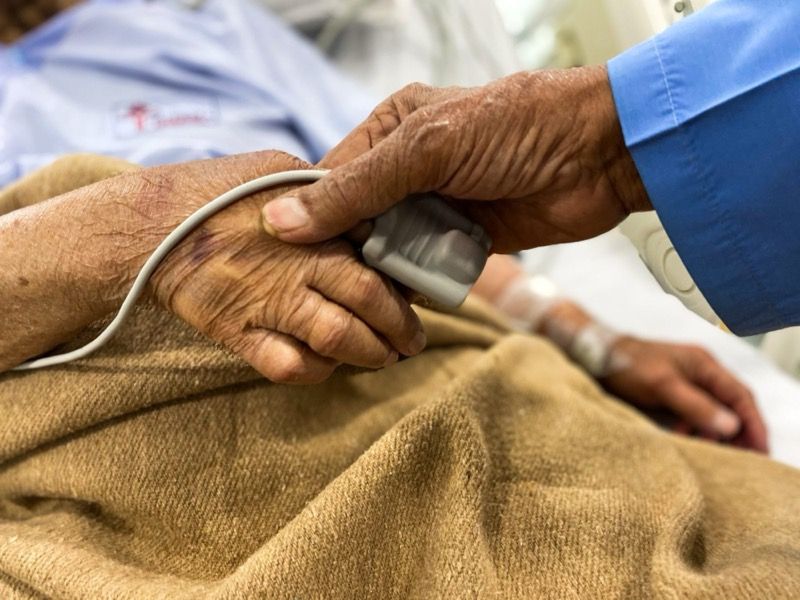
Falls and Blood Thinners: A Dangerous Combination
Falls are the leading cause of injury among older adults, but for seniors taking anticoagulant medications (blood thinners), the risks are significantly higher. Understanding this connection can help families prioritize fall prevention.
Why Blood Thinners Increase Fall Risks
Anticoagulants like Warfarin, Eliquis, Xarelto, and Pradaxa prevent blood clots but also make bleeding harder to stop. After a fall:
- Head injuries can cause brain bleeding (subdural hematoma) that may not show symptoms immediately
- Internal bleeding from abdominal impacts may go unnoticed
- Bruising and bleeding from minor bumps becomes severe
A fall that might cause a simple bruise in someone not on blood thinners can become a medical emergency.
Warning Signs After a Fall
Seek immediate medical attention if a senior on blood thinners falls and experiences:
- Headache, confusion, or drowsiness (even hours later)
- Dizziness or vision changes
- Nausea or vomiting
- Weakness on one side of the body
- Abdominal pain or swelling
- Blood in urine or stool
Fall Prevention Strategies
Home Modifications:
- Remove loose rugs and floor clutter
- Install grab bars in bathrooms
- Improve lighting, especially at night
- Secure handrails on all stairs
Health Management:
- Regular vision and hearing checks
- Medication review (some drugs increase fall risk)
- Physical therapy for balance and strength
- Proper footwear with non-slip soles
Daily Habits:
- Move slowly when changing positions
- Use assistive devices if prescribed
- Keep frequently used items within easy reach
- Avoid rushing to answer phones or doors
When to Consider More Support
If falls are becoming frequent or your loved one has already fallen while on blood thinners, it may be time to consider:
- In-home care for supervision and assistance
- Assisted living with 24-hour staff availability
- Medical alert systems for emergency response